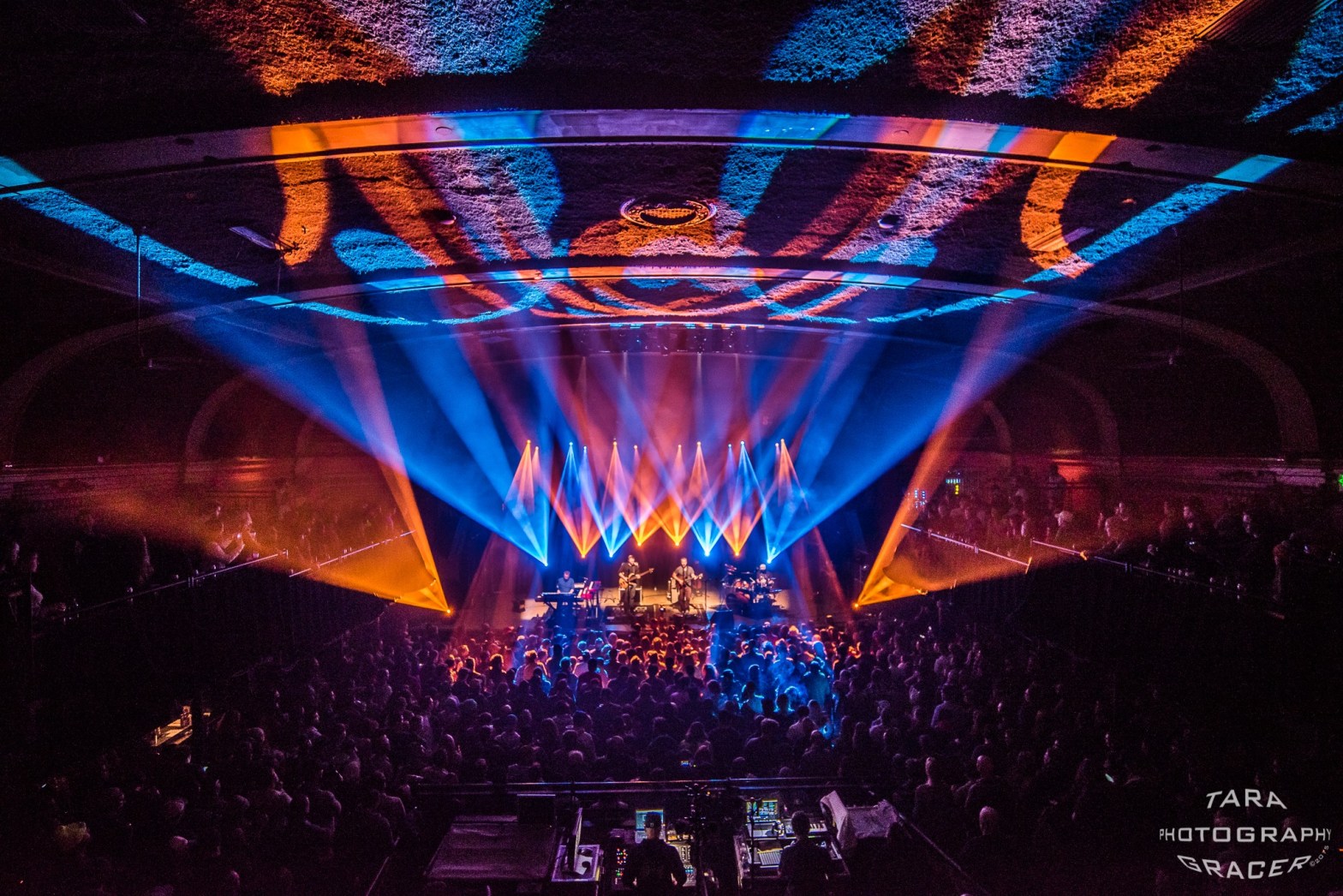
Brian Moss’ commitment to improvisation runs deep—so deep that this past November he and his Spafford band members thought up a little experiment. Instead of taking the stage themselves at Globe Hall in Denver, they asked their crew to hop up there for the first few minutes of the second set. Pretty soon the guitar tech was throwing down bass lines and the lighting director piano melodies, constructing a groove for the band to take over blind. The result? Spafford played for 40 uninterrupted minutes over the original refrain, filled with all of the soaring interplay that’s become familiar territory at Spafford shows.
Exploring Readiness: What It Means. Why It Matters: TCC Group Newsletter May 2021
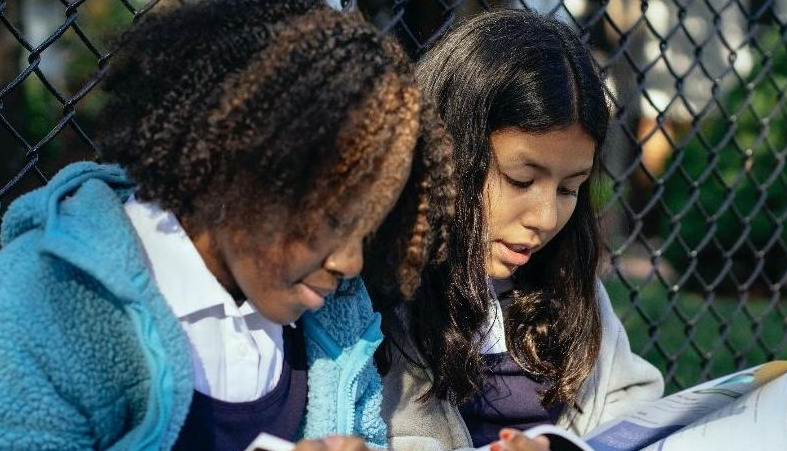
A focus on “readiness”—i.e., the state of being fully prepared for something—has been ubiquitous in our sector long before COVID-19. Yet, as we take cautious steps to emerge from what feels like an endless suspension of “normalcy,” readiness has garnered renewed attention.
We at TCC Group have been hearing an increasing number of readiness-related questions including:
- Are we ready to rebuild?
- Are we ready for whatever shape the “new normal” may take?
- Are we ready for the next pandemic or global crisis?
Behind these readiness questions is our fundamental assumption that organizations can move forward from a place of readiness—when intentionally examined and honestly assessed—but success requires the knowledge and capacity to operate effectively in a changing landscape. Whether seeking incremental change or a radical re-envisioning of entrenched societal systems, organizational readiness to understand, respond, and act can and will determine the likelihood of success.
To reimagine readiness for a dynamic future, we must set aside antiquated and inconsistent concepts of readiness that perpetuate exclusion and inequitable resource distribution, fuel unrealistic expectations, curtail innovation and good risk-taking, reinforce complacency, and maintain the status quo. Instead, we must work together every day to listen and learn from those with specialized knowledge and lived experience, accept uncertainty and adaptation as essential, center context in our planning and assessments, and embrace our partners as equals in determining what it means to be ready.
The following are four interconnected approaches we have available for foundation, nonprofit, and company leaders to begin to reimagine readiness:
- Lead with your organizations’ values, thereby strengthening internal cohesion and commitment to mission, external communications with constituents, peers, and funders, and the ability to navigate an unpredictable future.
- Understand how organizations exist within a diverse, interdependent ecosystem and know where, how, and why to leverage relationships for the greatest mutual benefit.
- Center the perspectives, insights, and leadership of the communities you seek to serve in ways that maximize the potential for lasting transformative change.
- Come back together for in-person convenings in new ways that generate agreement and action, while leveraging virtual engagements to maximize your potential for connection and meaningful outcomes.
Since last year, we have been examining how readiness is manifesting in the social sector, listening to and learning from current, former, and ongoing clients who are amplifying their views and experiences with readiness: a current client grappling with issues of power, and whose voice determines it; another funding client who recognizes that it takes capacity to build capacity, and yet had not considered whether their grantees were actually ready to implement the project for which the funds had been allocated; and another client stressing the need for holistic buy-in from the staff, leadership, and board when it comes to adopting any new change management or strategic planning process.
The Ambling Ambition of Magnolia
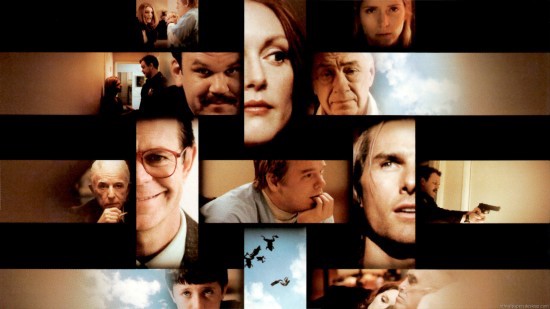
As moviegoers, and more broadly as people, we tend to think of the word “ambition” in a positive vein. To say a movie has ambition is to say it has purpose; to say it has moxie is to say it breaks some new ground.
On the flip side there are those seen as too ambitious, directors who maybe bite off more than they can chew. Paul Thomas Anderson, in his 1999 feature Magnolia, dances with this question almost as an operating procedure. Over the course of three frantic, uneasy hours, Anderson challenges you to see how many moviemaking rules he can flout before you roll your eyes, how much unfiltered emotion you can handle before you (along with his characters) break.
Magnolia tells of a tangled web of characters, each in some way alone, each with some link to a Hollywood television studio that serves as the film’s nexus. There’s the aging quiz show host who’s diagnosed with cancer and forced to reckon with his past, including his disgruntled, cocaine-addicted daughter. There’s the ailing studio executive who on his deathbed seeks out his estranged son, a dating advice specialist played by a downright maniacal Tom Cruise. And beyond these family ties there are secondary players: a cop searching for love; a former quiz-show champion searching for meaning; a quiz-show wunderkind contemplating his existence.
Somehow, over the course of one long day, their paths cross. But the plot — unwieldy and at times surreal — takes a secondary role here. At its heights Magnolia is a deft character study, exploring the decisions we later regret, the lies we tell ourselves to stay afloat, the ways in which we isolate ourselves.
Read more at CineNation.
John Mayer and The Nothing Search
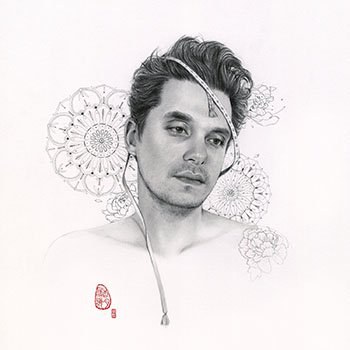
Let’s talk about John Mayer’s voice. You know the one—those goopy dulcet tones on “Your Body is a Wonderland”, soft and sweet as taffy including all the leftover stickiness that makes you feel like you better go brush your teeth afterward.
Mayer is inseparable from his voice, which might seem like an obvious point to make about anyone other than Mayer. He’s someone who’s spent so long trying to escape his voice—his original teenage swoon instrument—it’s hard to know which one you’re getting these days.
Read more at PopMatters.
The Hero’s Dilemma
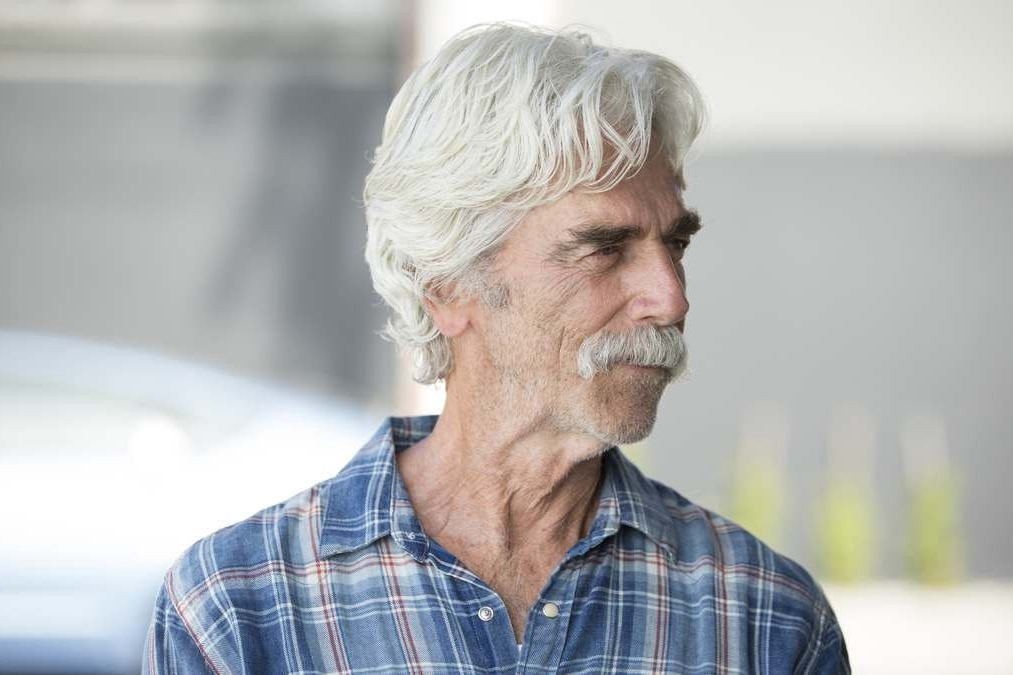
When an actor like Sam Elliott lands a leading role these days, the central if regrettable question that always arises is whether he can “carry” the film. Would Elliott deliver the kind of raw, breakout performance that nets him an Oscar nom? Would this be his long-awaited chance to transcend the worn-out Cowboy of his past?
On paper, Elliot’s turn in The Hero appears to be just that. He plays a character, Lee Hayfield, constructed with maybe only him in mind — an over-the-hill Western icon navigating a modern world, wrestling with his checkered past. Lee dresses in flannel shirts and skinny jeans, smokes too much weed and drinks too much whiskey. He passes out on the couch in front of the TV some nights, dreaming of onscreen redemption only to wake to the cruel sobriety he’s carved out for himself, a lonely, frail septuagenarian stuck doing BBQ sauce commercial voice-overs.
For some, Elliott’s unmistakable, leather-thick drawl will summon all of the nostalgia. You only need to hear his voice fill out the speakers in the opening scene to recall the immortal wisdom he supplied as The Stranger in The Big Lebowski. And yet Elliott embodies Lee with such casual grace that you might miss it. In an early scene with his daughter, played by Krysten Ritter, he doesn’t need to do very much speaking to bring out the emotion — his narrow, wet, gray-blue eyes do it for him. With his slender frame and full gray mane — the legendary mustache still in tact — Lee looks like an old, matted sheepdog coming in from the rain.
Read more at CineNation.
Re-Envisioning Readiness for a Transformed World: TCC Group Newsletter October 2020

Earlier this year, as the reality of life during a global pandemic started to take hold, we launched Re-Envisioning Readiness in Response to COVID-19—a pro bono offer of strategic consulting services. This offer has been our way of assisting you—the social sector organizations we value and the communities you support—during an extraordinarily challenging time.
I am writing to share some of the insights TCC Group senior leaders have captured over the past few months from our conversations with a range of funders and nonprofit organizations, learning about each situation and providing individualized guidance to help set a path forward. The organizations we met with are focused on addressing complex social issues ranging from health equity and access, to criminal justice reform and education, to the arts and freedom of expression.
What are the biggest challenges these organizations face today? During our conversations with nonprofit and foundation leaders—on topics related to convening, values-based communications, nonprofit and foundation capacity building, and organizational effectiveness—TCC Group staff have listened and carefully recommended strategies for responding to the crisis.
One of the central themes we’ve identified is that many organizations are facing similar challenges in deciding whether and when to radically shift gears, pivot, or stay the course. By listening and asking targeted follow-up questions, we gained a quick appreciation for the adjustments these organizations have made and what additional information they should gather—enabling us to pinpoint strategies to immediately address their most urgent needs. We offered processes for identifying what they need to know, tools for how to get it, and the various types of partnerships they can leverage to navigate their way forward.
Wintry Discontent: The Revenant
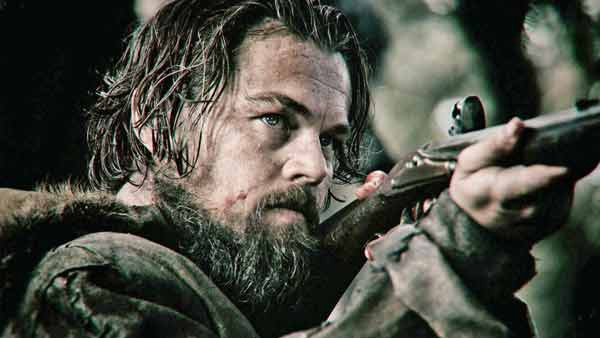
Alejandro G. IIñárritu may have done well just getting out of the house. Whereas his last film (Birdman) fixes on the stuffy indoor mania of Broadway stage production, this time he spins the camera outward, to the vast and austere winter, where its unyielding brutality takes hold.
The Revenant follows the improbable survival of Hugh Glass, portrayed by Leonardo DiCaprio, a frontiersman who defies a series of gruesome threats to his life. We first see Glass as a trapper, skinning animals for pelts along with his son Hawk of mixed-Native-American race. At the outset this distinguishes Glass from the rest of his peers, a barbarous and uncouth group of men — Mr. IIñárritu makes sure to show several urinating openly — each of whom thinks he has the best idea for their safety. When their camp comes under ambush from hostile natives and the survivors flee, Glass emerges as the authority given his knowledge of the land and its constituents. But the plan falls apart once Glass is viciously mauled by a grizzly bear and wounded to the point of incapacity, his throat gashed so he cannot speak.
The rest of the sprawling film sends Glass further and further down its bleak pit of anguish, leaving him with little but his wits and faithfulness to overcome the obstacles. He witnesses the murder of his son at the hands of a fellow trapper named John Fitzgerald, played by a brutish Tom Hardy, though he can’t confront him due to his injuries. Thereafter he drags himself across the frozen Dakota tundra, forages for shrubs, picks marrow from dead animal carcasses, and escapes continued attacks from native combatants. When death appears all but certain, Glass comes to rely on a mantra from his slain Pawnee wife — “the wind cannot defeat a tree with strong roots” — that guides his winding path back to the very people who left him for dead.
Read more at Applaudience.
The Case for Nassau Tweezer amid the Perils of First Show Overload
When carved out from Phish’s wider on-stage catalog, the Tweezer pantheon alone could merit a dissertation of comparative analysis. On top we have the near-consensus GOAT, the Tahoe Tweezer soaring high above the firmament to inspire everything from Ric Flair “woo” memes to painstakingly elegant grand piano compositions. Then there are the standard bearers like 12/2/95 and 12/6/97, musical triumphs in their own right that deliver copious charms upon both first and subsequent listenings. And at last we have our beloved Tweezer-fests, all-out hootenannies like what allowed an unsuspecting Dallas venue to rightfully claim its Bomb Factory namesake on 5/7/94 (see also: “Tweezepelin” 10/30/10 Atlantic City and 7/27/14 Merriweather).
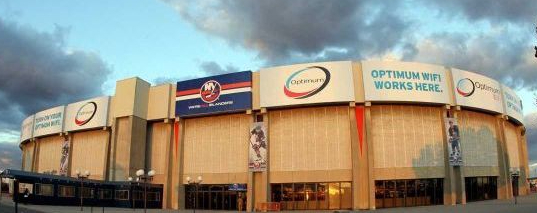
In the interest of time, and perhaps sanity, I’d like to spotlight one particular rendition — the 2/28/03 Tweezer at Nassau Coliseum — that in my view could stack up firmly against just about any out there. It would also happen to play a seminal role in my first time seeing the band at age 15.
Given the 12 years that have passed since, the chilly February evening can split between what I definitively do and do not remember about the experience. Like many newcomers, I approached my first show with equal parts curiosity, trepidation, and excitement: curious about what all the fuss was about; trepidation about the specter of being force-fed narcotics by allegedly raffish strangers that might bear out my parents’ most irrational fears; and excitement about finally getting to hear a live rendering of the music I had only just come to love and appreciate.
My first memorable encounter would confirm an early suspicion. As we waited for the show to begin, a man seated a row ahead of us who wore a baseball hat over his long greasy hair produced a crumpled plastic pouch from his pocket. Blithely he proceeded to place a handful of dusty white caps onto his concession-stand pizza as if they were toppings from Sbarro, then wolfed the personal pie down in a happy few bites. My friends and I enjoyed hushed giggles from this in our pubescent naiveté, which also led me to remark to my friend Scott that the presence of an acoustic guitar on stage might forecast a Divided Sky, one of our agreed-upon favorites. (Plus, tbh, I thought I sounded pretty cool for making such a seemingly educated though ultimately wrongheaded prediction).
A number of other memories stood out as the house lights would soon fade to black, earning prosperous roars from the crowd that greeted the quartet to a hero’s welcome. I remember the puncturing ripple of Trey’s opening notes to Birds of a Feather, slapping Scott a high five, and singing the entire first verse before promptly being told that “there’s no singing” by the group in front of us. I remember hearing Page wail away on his baby grand at the start of Bathtub Gin with a force I couldn’t quite comprehend. I remember phans informing us of the Phistorical significance of hearing Destiny Unbound in the two-hole (not played since 1991) and Soul Shakedown Party in the second set (not played since ‘97). I remember the constant, pungent haze of marijuana snaking through a Coliseum space which I had to that point only associated with mediocre hockey and recreational basketball. It was surreal, all of it, and the start of a vigorous love affair that still carries on to this day.
But ironically, the show maybe stands out most for what I don’t remember; namely, the Tweezer that would open the second set with a flourish yet somehow fail to capture my musical attention. Truly. As I listen back, I have no distinct aural or visual memory of any of its dramatic sections. It’s an all-too-common consequence, I think, of the sensory overload contained in attending your first Phish show while having only a cursory understanding of the music. Jams blend into one another; beginnings and ends of songs dissipate; lights and sounds and colors meld into one big heady jumble.
As it happened, I wouldn’t come to grasp the enormity of this Tweezer until many years later, when my Phish education had long since earned its doctorate, and when I could access a for-all-intents-and-purposes free version on Spotify. Listening these days, I recognize all the hallmarks of an all-time Phish jam.
Following the song’s ripping composed section, Trey’s fingers start to channel notes in perfect fluidity with his body. Mike walks his bass down to slap-town and Page seems to grow a third arm across his fortress of keys.
After an early modulated peak, the band settles into a spacey groove featuring sailing interplay between Trey’s high notes and Mike’s trundling bass lines while Page pushes out protracted psychedelia. A quick tour across his keyboard then sends the jam into full type II territory. Trey seals the deal with a looping guitar riff that Mike gloms onto from behind. Fish remains sure-handed and fill-happy as ever during the boomerang-ing peak.
And just when you think the music has maybe died to a lull or segue, the tempo hastens to yet another section, more mature and democratic, each member contributing his share. The up-tempo improvisation yields a fierce upward trajectory as Trey plays quick syncopated chords over Page’s organ. This final build — at around the 20-minute mark — vaults the jam into something celebratory, like a coda to an Islanders Stanley Cup crown. The ambient jam to follow provides soothing come-down from the revelry.
The ensuing Soul Shakedown Party would give the band its hard-fought victory lap and, as a result, a place back in my memory bank. Pretty soon I’d get to witness my first Harry Hood glow stick war and the lyrical whimsy of songs like Contact (to which I recall chuckling at the “go out to your car and it’s been towed” line) and Mexican Cousin during the three-song encore.
Tweezer Reprise would of course cap the riotous evening until we watched in awe as Trey balanced his guitar high over his head, allowing its distortion to spill all throughout the room. In a matter of a few hours, he had managed to expose the fallibility of memory while at the same time transcending it altogether.
This essay originally appeared in the Medium blog The Phish from Vermont.
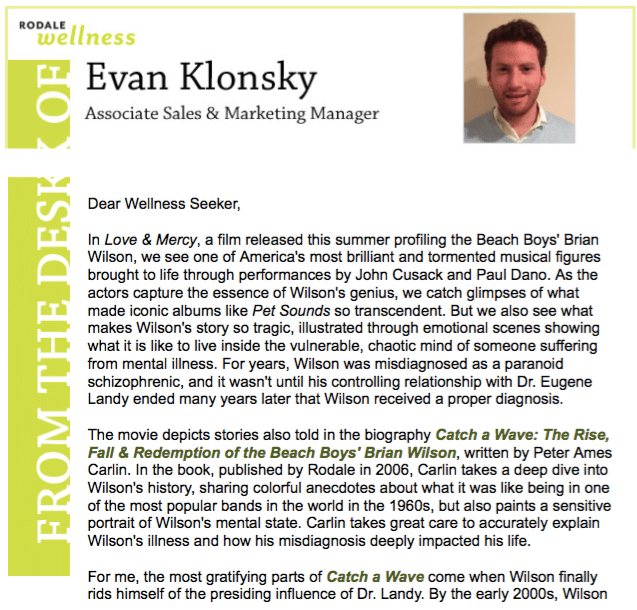
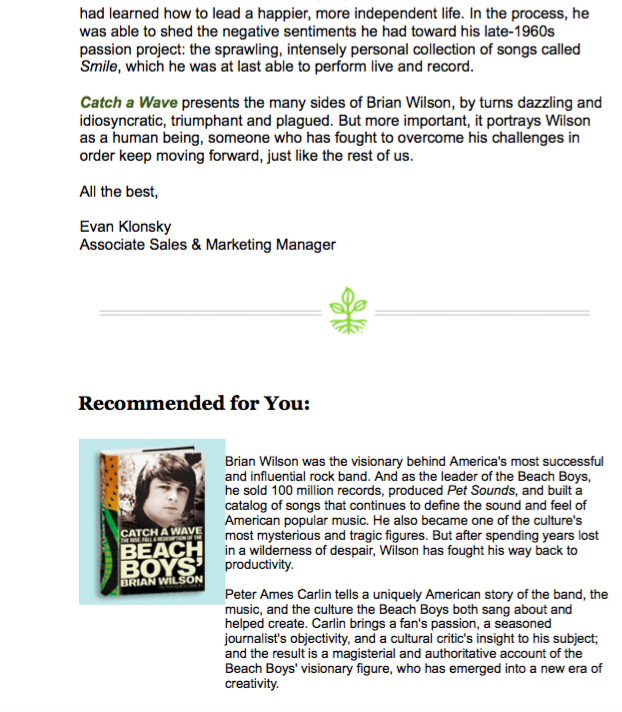
Catch A Wave Newsletter: Rodale Books
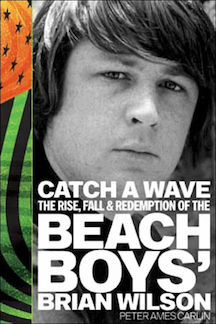
In Love & Mercy, a film released this summer profiling the Beach Boys’ Brian Wilson, we see one of America’s most brilliant and tormented musical figures brought to life through performances by John Cusack and Paul Dano. As the actors capture the essence of Wilson’s genius, we catch glimpses of what made iconic albums like Pet Sounds so transcendant. But we also see what makes Wilson’s story so tragic, illustrated through emotional scenes showing what it is like to live inside the vulnerable, chaotic mind of someone suffering from mental illness.
Read and view the full newsletter below.
Nuclear Winter in THE DEAL
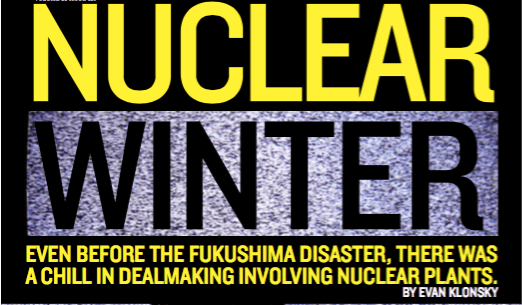
Only 104 nuclear plants exist in the U.S. today, but as the country tries to wean itself off of fossil fuels, there’s no great demand for them from buyers—and the reasons have nothing to do with the calamity that struck the shores of Fukushima, Japan, on March 11.
Read and view the full article below.
 Evan Klonsky